Examining Nigerians' Reaction: Can They Forgive Mmesoma Ejikeme after Defending Her?
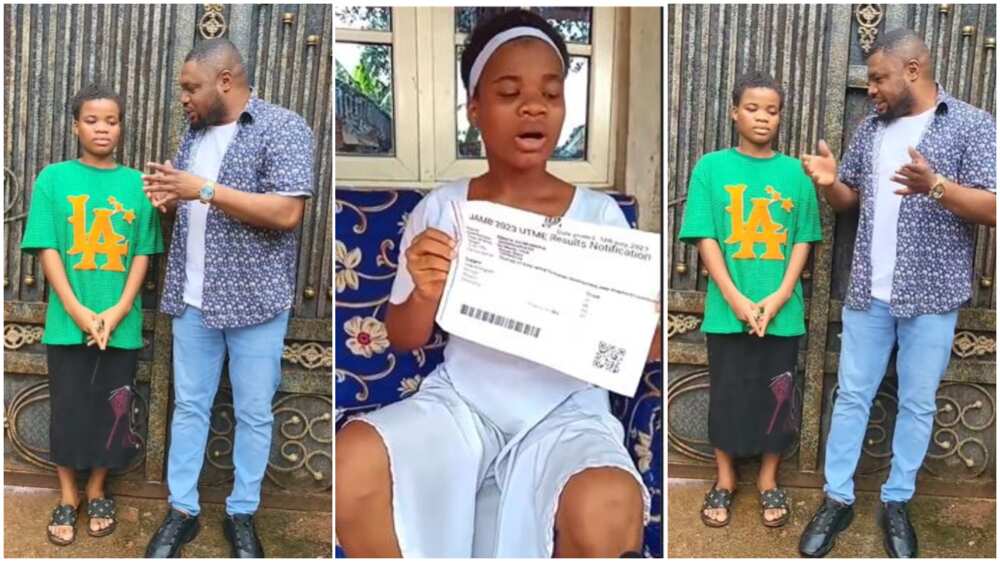
The case of Mmesoma Ejikeme, the Anambra student accused of inflating her UTME score, has taken a surprising turn with some Nigerians coming to her defense. This unexpected support raises a thought-provoking question: Can Nigerians forgive Mmesoma after initially suspecting her involvement in such a crime? In this blog post, we dive into the intricacies of Nigerians' reactions, exploring the factors that influence forgiveness and the potential for a shift in public perception.
1. Initial Suspicions and Outrage:
We delve into the initial reactions of Nigerians, characterized by suspicions and outrage. We analyze the reasons behind these emotions, including the prevalence of examination malpractice and the impact it has on the education system. By understanding the context, we gain insight into why Nigerians reacted strongly to Mmesoma's case.
2. Unexpected Support:
We examine the emergence of Nigerians defending Mmesoma despite the accusations against her. We explore possible reasons for this shift in perception, such as new evidence or alternative perspectives that challenge the initial assumptions. We also consider the role of empathy, fairness, and the desire for justice in shaping public sentiment.
3. Complexity of Human Judgment:
Human judgment is multifaceted and influenced by various factors. We discuss how initial impressions can be misleading and how additional information can alter perceptions. We explore the potential for misconceptions and biases in the early stages of the case and highlight the importance of keeping an open mind.
4. Impact of Public Opinion:
Public opinion plays a significant role in shaping narratives and determining the course of events. We analyze the influence of social media, news coverage, and public discourse on Nigerians' perceptions of Mmesoma. We examine how collective sentiments can sway public forgiveness or condemnation.
5. Forgiveness and Redemption:
Forgiveness is a complex process that varies from person to person. We delve into the factors that might influence Nigerians' willingness to forgive Mmesoma, such as her level of remorse, the sincerity of her defense, and the potential for rehabilitation. We explore the concept of redemption and how it factors into forgiveness.
6. Lessons Learned and Moving Forward:
We reflect on the lessons that can be derived from this situation, considering the impact on individuals, institutions, and the broader society. We discuss the importance of fair investigations, evidence-based judgments, and the need for reforms in the education system. We highlight the potential for growth and learning, both for Mmesoma and society as a whole.
Conclusion:
In this intriguing exploration of Nigerians' reaction to Mmesoma Ejikeme's defense, we have delved into the complexities of forgiveness and public perception. While initial suspicions and outrage were prevalent, the emergence of support highlights the malleability of public sentiment. Ultimately, forgiveness depends on various factors, including empathy, fairness, and the potential for redemption. As this case evolves, it presents an opportunity for Nigerians to reflect on their initial judgments and consider the transformative power of forgiveness in shaping a more empathetic and just society.


Comments
Post a Comment